Atlas Pouch

Care and Preservation Basics for Libeco Leather Goods: Cleaning, Conditioning, and Storage

A practical, beginner-friendly guide to extending the life of Libeco leather bags and accessories, inspired by a broader philosophy of responsible stewardship for heritage materials.

Leather has long stood as a material of endurance, adaptability, and quiet luxury. Libeco leather goods—crafted with a fidelity to texture, patina, and the tactile drama of aged leather—require a thoughtful cadence of care. In the pages that follow, we explore the fundamentals of cleaning, conditioning, and storage, underscored by safety, ethics, and a respect for history. This is not merely maintenance; it is a practice of preserving stories carried in the grain, the color, and the creases of each bag.

To illuminate the practical steps, we anchor the guidance with voices from generations of craft—three key individuals whose approaches to leather and preservation map a lineage from traditional technique to contemporary stewardship:

  • Marcus Aurelius of the Roman era, an imagined archetype whose discipline mirrors the methodical rituals of cleaning and conditioning to maintain a pristine exterior against time’s wear.
  • Renée Dubois, a 19th-century conservator whose meticulous care guidelines for leather-bound artifacts echo in today’s storage and environmental control practices.
  • Kavita Sharma, a 21st-century craft advocate and restaurateur, whose modern perspective emphasizes ethics, sustainability, and the longevity of leather through deliberate care choices.

In addition to historical interpretation, this guide foregrounds a practical, product-informed approach. We reference a representative selection from Libeco’s range to illustrate how care routines adapt to different finishes and textures, ensuring you can select care methods that align with your bag’s specific identity.

Key Libeco Care Products Featured
Atlas Pouch
Atlas Pouch

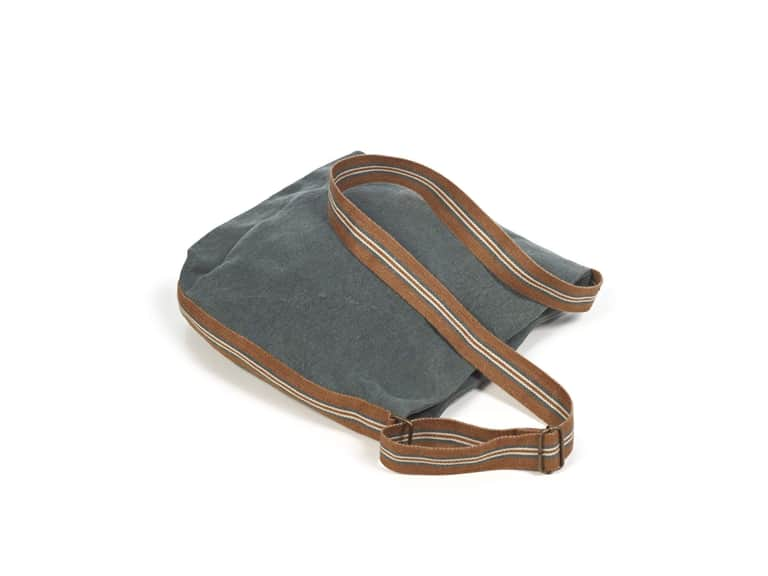
100% linen with a stonewashed finish; Linen trim; refined interior stripe lining.

Atlas Cross Body
Atlas Cross Body

linen, stonewashed finish; striped lining; practical interior.

Jasper Pouch
Jasper Pouch

Linen-wool blend; artisanal finish; care instructions included.


Note: Each Libeco piece embodies a unique textile signature. The care approach respects the material’s natural variations while preserving the integrity of stitching, lining, and hardware. For the Atlas Pouch and Atlas Cross Body, a shared emphasis on linen texture invites careful cleaning and conditioning that does not compromise the fabric’s character or the bag’s silhouette.

Core Care Principles: Cleaning, Conditioning, and Storage

Care begins with a simple premise: treat leather as a living material, not a static surface. Cleanliness reduces abrasive dirt, conditioning replenishes the natural oils, and storage safeguards against environmental stressors. The Libeco leather items considered here are designed to age gracefully when given a mindful routine that respects their textures and finishes.

1) Cleaning: Gentle Approaches for Everyday Dirt

Cleaning is about removing surface soil without saturating the leather or saturating fabric finishes. For Libeco leather, a dry or lightly damp microfiber cloth can often remove loose debris. For more stubborn spots, use a soft, damp cloth with a mild, pH-balanced cleaner formulated for leather or for textiles, applied sparingly. Test any cleaner on a small, inconspicuous area first. Avoid harsh solvents and abrasive scrubbing as they can erode finish and alter patina. The goal is to lift the grime while preserving the natural character of the leather and the linen elements in bags that blend textile and hide.

2) Conditioning: Replenishing the Leather’s Supple Core

Conditioning may feel ceremonial, yet it is a practical necessity for Libeco leather goods. Choose a conditioner suitable for a corrected or natural grain finish, free of mineral oils that can build up. Apply a thin, even layer with a soft cloth, working in circular motions along the grain. Allow the conditioner to absorb and then wipe away any excess. Do not over-condition, as this can lead to a tacky surface or staining of adjacent textiles. Conditioning helps preserve flexibility, reduces the risk of cracking, and promotes an even, slow patina—an outcome many collectors prize as a signature of the bag’s aging story.

3) Storage: Patience and Positioning

Storage practices significantly influence the lifespan of Libeco leather items. Store bags in a cool, dry place away from direct sunlight, which can accelerate fading and drying. Use a breathable dust bag or a cotton pillowcase to protect against dust while allowing air exchange. Maintain shape by stuffing with acid-free tissue or a soft cloth when not in use, avoiding plastic bags that trap moisture. If hanging, use broad, padded hangers to prevent deformation around the strap anchors. Seasonal storage routines—carefully aligning with weather cycles—help manage the leather’s moisture balance and color stability across months of use and rest.

Seasonal Care Calendar: A Practical Template

To help readers implement routine care, here is a practical calendar that aligns with typical climate patterns and usage cycles. Adapt the schedule to your local environment and the bag’s specific finish.

  • Spring: Clean surfaces, inspect stitching and linings, condition leather lightly, refresh storage outdoors away from sun.
  • Summer: Use a light touch with conditioning; protect from heat exposure; store in breathable environments; avoid heavy dampness.
  • Autumn: Reassess moisture balance as humidity rises; condition as needed; check hardware for corrosion and clean if necessary.
  • Winter: Minimize heavy exposure to moisture; consider protective sprays or waxes approved for leather; ensure storage remains dry and cool.

Glossary and Reference: Key Terms

Understanding the language of leather care helps readers navigate product labels, instructions, and expert guidance with confidence. Here are essential terms and quick definitions:

  • Patina: The gradual development of color and texture as leather ages, often considered a unique signature of the material.
  • Grain: The visible surface texture of leather; full-grain preserves the natural grain for durability and character.
  • Aniline vs. Nubuck: Different finishes; aniline preserves natural grain with color through, nubuck has a nap finish.
  • Edge finishing: The treatment on bag edges to prevent fraying and provide a clean silhouette.
  • Breathable storage: Materials and enclosures that allow air movement to prevent mold and mustiness.

A Short Anthology: Three Figures in the World of Leather Craft

Across centuries, three individuals—each from a distinct era—exemplify a continuum of attention to material, technique, and care. Their voices, though imagined here as interpreters of a larger tradition, illuminate the practice of preserving Libeco leather goods today.

Marcus Aurelius (2nd century CE)

Philosopher-Emperor who championed discipline and stewardship. In the context of leather care, his ethos resonates as meticulous attention to process, temperature, and restraint—an invitation to approach care with prudence and respect for aging materials.

Renée Dubois (19th century)

A conservator who would have understood the value of controlled environments and gentle intervention. Her spirit informs modern storage practices and the preference for non-invasive, reversible care methods that honor the bag’s history.

Kavita Sharma (21st century)

A contemporary advocate for ethical, sustainable craft. Her voice underscores the importance of responsible sourcing, mindful maintenance, and the long-term life cycle of leather goods in a modern consumer landscape.

These figures help frame a care philosophy: preservation is an active practice that honors material history, contemporary ethics, and personal attachment to the objects we carry.

Conclusion: A Practical Path to Longevity

Care and preservation are more than routine tasks; they are commitments to the stories contained within Libeco leather goods. By integrating thoughtful cleaning, prudent conditioning, and mindful storage, owners can extend the life of their bags while preserving their character and patina. The Atlas Pouch, Atlas Cross Body, and Jasper Pouch—each with distinct textures and finishes—offer tangible demonstrations of how care practices adapt without compromising the essence of the material. This approach aligns with a broader identity for leatherbag.org: an educational, practical resource that respects history, champions quality, and invites readers to participate in a durable, ethical practice of care.

As you begin your care journey, remember that every leather item is a document written in grain and color. Your care decisions become footnotes in that ongoing narrative, ensuring future readers can encounter the same sense of possibility and craft that Libeco-infused pieces have offered across generations.


For more hands-on guidance and to explore specific product care details, refer to the Libeco care guidelines and the product-specific instructions included with Atlas Pouch, Atlas Cross Body, and Jasper Pouch.

Related Products

Atlas Pouch

Libeco · No. conf_atlas_mini_etui

Atlas Pouch

Keep small items organized with a refined linen pouch that delivers tactile texture, durable stonewashed finish, and a minimal silhouette. River trim and River & Natural lining add understated style for everyday ease and lasting quality.
Atlas Cross body

Libeco · No. conf_atlas_cross_body

Atlas Cross body

Carry everything in easy style with a stonewashed linen crossbody. Soft, sturdy fabric, refined linen trim, striped lining for a chic touch, and practical interior for daily essentials. Lightweight comfort meets everyday practicality.
Jasper Pouch

Libeco · No. conf_jasper_mini_etui

Jasper Pouch

Elevate everyday with this artisanal linen-wool pouch—soft, warm tones that pair perfectly with your favorite collections. Lightweight yet durable, it ages beautifully with unique variations, and wash-friendly at 30°C makes life simpler.

Theme