Bath • Accessories • Material Care
Keeping Bath Accessories Fresh: Materials, Moisture, and Storage
A bathroom is a small landscape of shifting conditions. Steam gathers after a shower, cools on mirrors and tile, and settles into the folds of towels, the seams of toiletry bags, and the corners of storage baskets. Choosing where accessories live—and giving them time to dry—can help preserve their appearance and usefulness.
Published November 1, 2026
Bath accessories have a close relationship with water, even when they are not designed to get wet. A cosmetic pouch may sit beside a sink; a grooming kit may travel between a humid bathroom and a dry bedroom; a fabric organizer may hold brushes, bottles, or small personal-care tools. In each case, splashes, steam, temperature changes, and damp contents can affect materials over time.
The most reliable approach is simple: distinguish items meant for water from those that should remain dry, allow used accessories to air out, and store them where air can circulate. This is not a complicated maintenance ritual. It is a way of noticing how a room behaves and choosing storage habits that suit the materials in it.
Fabric, leather, metal hardware, plastic linings, and closures do not respond to moisture in the same way. A routine that works for a washable cotton organizer may be unsuitable for a structured textile pouch or a leather-trimmed case. Labels and maker instructions should guide cleaning; when they are unavailable, gentle, cautious care is generally safer than strong chemicals, excess water, or heat.
The bathroom’s invisible weather
Humidity is water vapor suspended in the air. A hot shower can raise the amount of moisture in a small room, while limited ventilation slows the return to drier conditions. Steam may condense on cooler surfaces, and droplets can collect beneath bottles or inside containers. The effect is often gradual: an item may appear fine after one damp morning, yet repeated exposure can leave a lining musty, a finish dulled, or a fastener less dependable.
Not every bathroom is equally humid. Room size, ventilation, climate, shower frequency, and whether the door is left open all play a part. A bathroom with a working exhaust fan and a window that can be opened may dry more quickly than an enclosed room with little air movement. Storage decisions should reflect those differences rather than follow a single rule for every home.
Pay attention to the places where water tends to linger: the counter beside the basin, the ledge near a shower, the bottom of a closed cabinet, or the narrow space between a container and the wall. Accessories placed on a wet surface can absorb moisture from below even when their tops feel dry. A little clearance beneath and around an item makes it easier for air to move.
Persistent dampness is different from ordinary post-shower humidity. If a room remains wet for hours, or a musty odor repeatedly returns, moving accessories may help but will not address the underlying ventilation or leak issue. Check for standing water and damp surfaces, use available ventilation, and seek appropriate maintenance if moisture persists.
Materials tell different stories
Material is a practical clue to how an accessory should be used and stored. A waterproof plastic case can be convenient around splashes, but a sealed container can also trap damp air if wet items are closed inside. A woven fabric pouch is breathable, yet it can absorb moisture and may take longer to dry if packed tightly. A product’s surface alone does not tell the whole story: linings, seams, padding, coatings, and hardware all matter.
Linen and cotton
Natural plant fibers such as linen and cotton are common in soft organizers and pouches. They have a tactile, breathable quality, but they are not automatically water-resistant. If fabric becomes damp, empty the item and let it dry fully before closing or putting it away. Follow the care label, especially where a pouch combines different fibers, colored trims, or a contrasting lining. Washing a structured or lined accessory as if it were an ordinary towel may distort its shape or affect its finish.
A small textile pouch can be useful for keeping dry essentials together—for example, unopened cotton pads, a comb, or accessories used outside the shower. It is less suited to holding a wet washcloth or a leaking bottle. The distinction is not about whether fabric belongs in a bathroom; it is about matching the job to the material and preventing damp contents from being sealed inside.
Leather and leather trims
Leather is vulnerable to repeated wetting, prolonged humidity, and abrupt drying. Moisture can alter its feel or appearance, and heat from a radiator or hair dryer may dry it unevenly. Keep leather bags and leather-trimmed organizers away from direct splashes and persistently damp shelves. If a piece becomes wet, blot surface water gently with a clean, absorbent cloth and allow it to dry naturally in a ventilated place, away from direct heat and strong sunlight. Consult the maker or a leather-care professional for stains, extensive wetting, or valuable items.
Conditioning is not a cure-all. Applying a product without checking that it is appropriate for the specific leather can change color or finish. Avoid treating a leather item simply because it has been stored in a bathroom; first address the source of moisture and follow care guidance intended for that material.
Coated materials, plastic, and metal
Coated fabrics and plastics often wipe clean more easily than absorbent textiles, making them useful for items exposed to occasional splashes. Still, coatings can wear, and seams or zipper tapes may admit moisture. Rinse or wipe only as directed by the manufacturer, then dry the item before storing it closed. Hard containers should also be emptied and dried after a spill rather than treated as permanently dry simply because their outer walls repel water.
Metal zippers, snaps, and rings can collect residue from cosmetics, soap, or hard water. Wipe them with a soft, dry cloth when needed and avoid leaving them pressed against damp fabric. If a fastener begins to catch, do not force it; clear visible debris and check the care instructions before applying any lubricant or cleaner.
Choose a storage spot with airflow
The best storage location is often not the most convenient-looking one. A closed cabinet can keep an accessory tidy, but if it is damp inside or packed tightly, it may slow drying. A shelf in a dry part of the bathroom, a drawer outside the room, or a bedroom storage area may be more suitable for textiles and leather. Think of the room as a series of small climates: the counter beside a steaming shower is not the same environment as a ventilated shelf across the room.
- Keep dry-only items away from direct splash zones. Move fabric pouches and leather goods away from the basin edge and shower enclosure.
- Raise accessories above wet counters. A dry shelf or rack can prevent contact with pools of water and damp residue.
- Leave breathing room. Avoid pressing bags against walls or stacking them tightly in a humid cabinet.
- Separate wet and dry contents. Use a dedicated, washable container for items that may be damp, and empty it after use.
- Let closures remain open while drying. Unzip or unfasten an item so its interior can air out, provided it is in a clean, safe place.
Storage is also about what goes inside. A bottle with a loose cap can dampen a lining; a wet brush can transfer water to everything around it. Check containers before packing them, keep liquids upright when possible, and place leak-prone products in a separate protective pouch. If a leak occurs, remove the contents promptly and clean the affected material according to its care label.
A small routine between uses
Freshness is usually maintained through ordinary habits rather than frequent deep cleaning. After using a bathroom accessory, take a moment to remove damp items, wipe away visible residue, and leave the piece open until it is dry. The steps need not take long, but consistency matters—especially in a household where several people share a bathroom or where the room has limited ventilation.
- Empty it. Remove used cloths, damp tools, and products that could leak.
- Check the interior. Look at corners, seams, and the base, where moisture may collect unnoticed.
- Blot rather than scrub. For a small spill, use a clean cloth and the method recommended for the material.
- Air it out. Open the closure and place the accessory in a dry area with room around it.
- Store it only when dry. Do not seal a damp textile or close a wet case in a drawer.
For fabric items that can be laundered, the care label should determine water temperature, washing method, and drying technique. Mixed-fiber pieces may require more careful treatment than plain cotton. Avoid assuming that a pouch is machine washable because it looks like a towel, and do not use bleach or stain removers unless the instructions allow them. Strong fragrances can mask odors without removing the source, while aggressive cleaning may damage dyes or finishes.
For non-washable accessories, use the least intrusive approach that addresses the problem. A dry cloth may be enough for dust or light residue. If a cleaner is permitted, test it first on a discreet area and follow the product directions. Do not mix cleaning chemicals, and keep cleaning agents away from personal-care products and children.
Organizing for home and travel
Bathroom organization works best when it separates tasks. Keep daily-use items accessible, but reserve a dry location for accessories that should not remain in a humid room. Group similar small objects so that they are easy to find, while leaving enough space for air to circulate. A container that is too full can turn a simple storage system into a compressed pocket of trapped moisture.
For travel, the same principle applies. Pack dry toiletries separately from damp swimwear or a used washcloth. Before returning home, empty toiletry bags and let them air out rather than leaving them zipped inside luggage. If a bag has a removable liner, follow the maker’s instructions for cleaning and drying it; do not assume that every lining can be detached or washed.
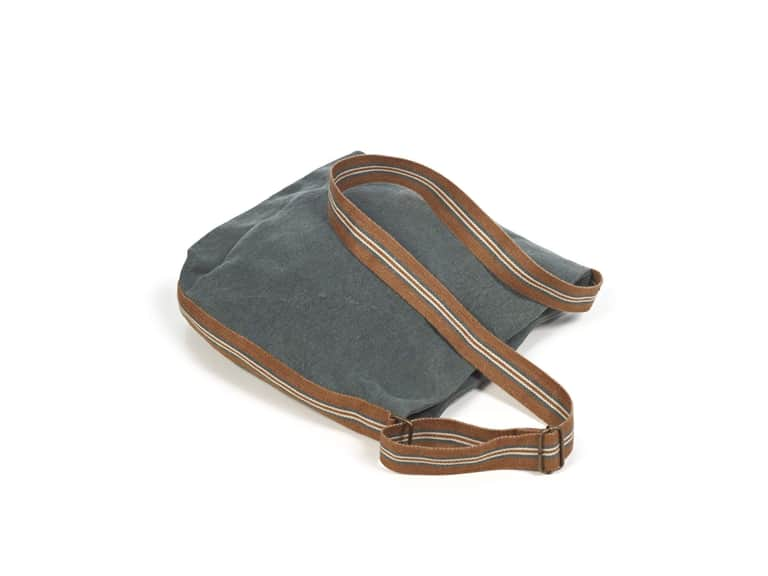
A compact textile pouch can help organize dry personal-care essentials in a suitcase or on a shelf. The Libeco Atlas Pouch, for instance, is described as a 100% linen pouch with a stonewashed finish and a striped linen lining. Its format may suit small, dry items that benefit from being grouped together. Because it is a textile pouch rather than a waterproof case, it should be kept away from wet contents and allowed to dry fully if it becomes damp. Always follow the care guidance provided with the item.
Organization can be modest and still effective. One container for dry tools, a separate washable place for items that may be wet, and a clear drying space can reduce clutter without requiring a large set of specialized products. The aim is not to fill every shelf, but to make it easy to see what is dry, what needs cleaning, and what should be moved away from moisture.
Reading the early signs of wear
Changes in smell, texture, color, or function can signal that an accessory needs attention. A musty odor may indicate that something stayed damp, though odors can have other sources. A lining that feels clammy, a seam that remains wet, or a closure that carries residue calls for inspection. Look for the cause before reaching for a fragrance spray or stronger cleaner.
Small marks are not always evidence of serious damage. Mineral deposits, soap residue, cosmetics, and ordinary wear can look similar at first. Identify the material and the likely source, then consult the care label. If an item has mold-like growth, a persistent odor, or damage that spreads, avoid using it to store clean personal-care items until it has been appropriately cleaned or assessed. Some materials may not be safely restored at home.
Do not scrape, sand, or aggressively brush a delicate surface to remove a spot. These actions can roughen fibers, lift a coating, or change the appearance of leather. When the item is valuable, has a complex construction, or carries a stain that does not respond to approved care, seek guidance from the manufacturer or a qualified cleaning professional.
A practical seasonal check
Humidity patterns often shift with the seasons. In warm weather, a bathroom may stay damp longer after showers; in colder months, windows may remain shut and condensation may gather on cool surfaces. A brief check at the start of a new season can help catch storage problems before they become routine.
- Inspect shelves and cabinet corners for dampness or residue.
- Check whether ventilation is being used and whether the room dries after bathing.
- Empty organizers and inspect linings, seams, and closures.
- Move vulnerable textiles and leather goods to a drier storage area if needed.
- Review care labels before washing or treating an item that has changed in appearance.
This is not a substitute for repairing leaks or addressing persistent condensation. It is a practical way to notice whether an accessory’s environment has changed and to adapt its storage accordingly.
Common questions about moisture and bath accessories
Can a fabric pouch be kept in the bathroom?
Yes, if it is used for dry contents and kept in a place that does not remain damp. Air it out regularly, avoid direct splashes, and move it elsewhere if the room has persistent humidity or condensation.
Should a toiletry bag be left open?
After use, leaving it open in a clean, dry area helps its interior air out. Once fully dry, it can be closed and stored. Do not leave it open on a wet counter or in a location where it may collect dust or be exposed to splashes.
Is a waterproof case always the best choice?
Not necessarily. A water-resistant exterior can help with occasional splashes, but a sealed case may trap dampness if wet items are packed inside. Choose a container suited to the contents and dry it before closing.
How often should bathroom organizers be cleaned?
There is no single schedule for every material or household. Remove visible residue as it appears and follow the maker’s care instructions for routine washing. More frequent checks may be useful in a heavily used or poorly ventilated bathroom.
Care begins with observation
Keeping bath accessories fresh is less about elaborate products than about understanding the small conditions surrounding them. Humidity gathers in particular places. Different materials absorb, repel, or hold moisture differently. A damp brush, a leaky cap, or a closed pouch can change the microclimate inside an otherwise tidy bathroom.
Choose storage with airflow, separate wet items from dry ones, and follow material-specific care instructions. Give accessories time to dry before putting them away, and respond to persistent dampness at its source. These simple habits support cleaner organization and help preserve the texture, finish, and function of the things used in daily personal-care routines.